
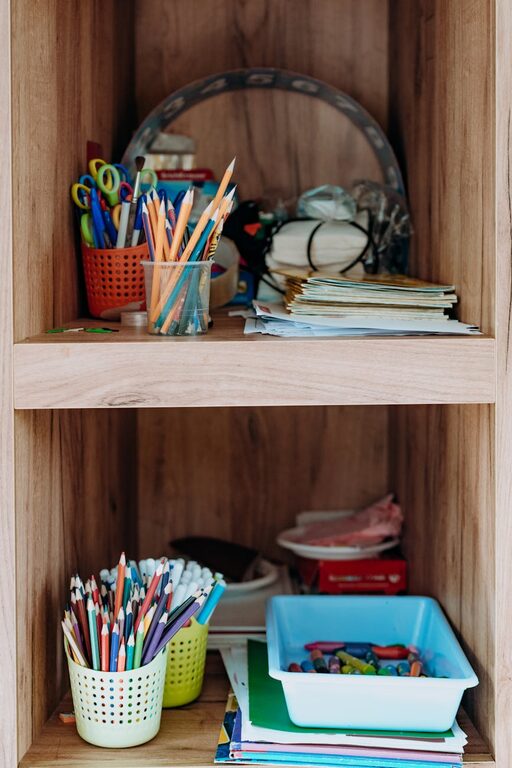
Children’s artwork is a wonderful expression of their creativity and growth. From finger paintings to intricate drawings, each piece tells a story and holds sentimental value. However, as those colorful creations pile up, it’s easy for your home to become overwhelmed with clutter. Keeping kids’ art organized not only preserves precious memories but also maintains a tidy living space. If you’re wondering how to manage the growing collection of art projects, this guide offers practical tips to help you organize and display your child’s masterpieces effectively.
Why Organizing Kids’ Art Matters
Before diving into organizational strategies, it’s helpful to understand why managing kids’ art is important:
– Preserves Memories: Artwork reflects a child’s development stages and interests.
– Encourages Creativity: Displaying art shows appreciation and motivates children to create more.
– Reduces Clutter: Keeping work organized prevents overwhelming messes.
– Simplifies Decisions: An organized system makes it easier to decide what to keep, store, or recycle.
With these benefits in mind, let’s explore practical ways to create an organized art system.
1. Create an Art Display Area
Highlighting your child’s art boosts their confidence and adds personality to your home. Here are some simple ideas:
Use a Rotating Gallery
Designate a wall or bulletin board where artwork can be hung and periodically changed. Use clips, strings with clothespins, or magnetic strips for easy swapping.
Frame Special Pieces
Select a few standout works to frame. Changing these occasionally keeps the display fresh and meaningful.
Install Clipboards or Wire Grids
Clipboards mounted on walls or wire grids allow for quick art updates without damaging walls.
2. Sort and Declutter Regularly
Sorting artwork helps decide which pieces are meaningful enough to keep:
– Involve Your Child: Ask your child to pick favorites to save.
– Set Limits: For example, keep only a certain number of pieces per month or year.
– Discard Thoughtfully: Digitize or photograph artwork you won’t keep physically before recycling.
Regular sorting prevents a backlog of unsorted papers.
3. Use Storage Solutions
Storing artwork neatly keeps it preserved and easy to access.
Art Bins and Portfolios
Flat plastic bins labeled by year or child are great for storing loose pages. Alternatively, buy or create large art portfolios with sleeves for protection.
Filing Systems
Use an accordion folder or filing crate by category (date, theme, or child) for compact storage.
Digital Storage
Scan or take photos of artwork, then save in organized folders on your computer or cloud storage. Creating digital photo books is a creative way to revisit memories without physical clutter.
4. Make Art Projects Functional
Repurposing artwork can extend its life and usefulness.
– Wrap Gifts: Use drawings or paintings as unique wrapping paper.
– Create Cards: Turn art into greeting or thank-you cards.
– Bind into Books: Compile art into scrapbooks or binders by year.
This approach celebrates creativity while reducing piles.
5. Establish a Routine
Building art organization into your family’s routine makes it easier to maintain.
– Weekly Review: Set a time each week to sort new artwork.
– End-of-Season Clean-Up: Reassess stored artwork every few months.
– Involve Kids: Teach children to care for and respect their creations.
Consistency helps prevent stress and clutter buildup.
6. Use Creative Tech Tools
Several apps and online platforms can aid in organizing digital copies of kids’ artwork:
– Artkive: Designed to archive children’s art by date and child.
– Keepy: Allows sharing and organizing artwork with family.
– Canva or Shutterfly: Use to design photo books or collages.
Digital tools can complement physical storage methods.
Final Thoughts
Managing your child’s growing collection of artwork might take effort, but it’s a rewarding process that honors their creativity and keeps your home organized. By setting up a dedicated display, regularly sorting, investing in storage solutions, and embracing digital tools, you can create a lasting archive of memories without the clutter. Most importantly, involve your children in the process to make it a fun and meaningful family activity.
Start today by picking one or two of these tips to implement—you’ll soon enjoy a more organized, inspiring space for both art and life. Happy organizing!