
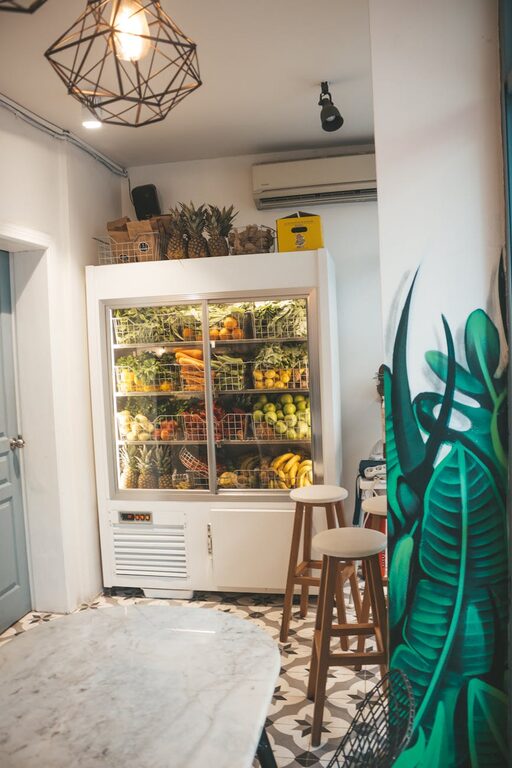
Keeping your fridge and pantry organized might seem like a small task, but it can make a big difference in your daily routine. A tidy storage area saves time, reduces food waste, and makes cooking more enjoyable. If you’re ready to bring order to your kitchen, here’s a comprehensive guide on how to keep your fridge and pantry neat and functional.
Why Organizing Your Fridge and Pantry Matters
A cluttered fridge and pantry can lead to expired food, forgotten ingredients, and even cross-contamination. When everything has a place, it’s easier to spot what you need quickly, plan meals effectively, and maintain a clean environment. Regular organization also boosts food safety and helps you stick to a budget by avoiding unnecessary purchases.
Step 1: Empty and Clean Your Storage Areas
Before organizing, start with a clean slate.
– Remove all items from the fridge and pantry.
– Check expiration dates and toss anything that’s spoiled or past its prime.
– Clean shelves and drawers with warm, soapy water. Dry thoroughly before returning items.
– Consider using natural cleaners like a mixture of vinegar and water for a fresh scent and safe cleaning.
Step 2: Categorize Your Items
Sorting your foods into groups makes it easier to store and find them.
Refrigerator Categories:
– Dairy (milk, cheese, yogurt)
– Meat and seafood (store separately in the coldest part)
– Fruits
– Vegetables
– Condiments and sauces
– Ready-to-eat leftovers
Pantry Categories:
– Baking supplies (flour, sugar, baking powder)
– Canned goods
– Grains and pasta
– Snacks
– Spices and herbs
– Oils and vinegars
Grouping items helps you know where everything belongs and spot what’s running low.
Step 3: Use Clear Storage Containers and Labels
Transparent containers keep your food visible and fresh longer.
– Invest in airtight containers for dry goods like cereals, nuts, and flour.
– Use stackable containers to maximize shelf space.
– Label containers clearly with contents and expiration dates to avoid confusion.
– Consider color-coded labels or bins for quick identification.
Step 4: Arrange Items by Frequency of Use and Temperature Needs
In the Fridge:
– Place frequently used items where they’re easy to reach.
– Store raw meat on the bottom shelf to prevent drips onto other foods.
– Keep fruits and vegetables in their designated drawers.
– Put condiments and bottled items on the door shelves, as this area is warmer.
In the Pantry:
– Keep daily essentials like bread and snacks at eye level.
– Store heavier items on lower shelves.
– Reserve higher shelves for rarely used items or bulk storage.
– Group similar items together to maintain order.
Step 5: Implement a First-In, First-Out System
To minimize waste, try the first-in, first-out (FIFO) method.
– Place new items behind older ones.
– Use labels or date markers to track when items were purchased.
– Regularly check and rotate stock to use older products first.
Step 6: Maintain Regularly
Organization isn’t a one-time effort. Set aside time weekly or monthly to tidy up your fridge and pantry.
– Wipe shelves and check for spills or crumbs.
– Discard expired or unused items.
– Reassess your arrangement and adjust as your needs change.
Bonus Tips for a Tidy Fridge and Pantry
– Use lazy Susans in the fridge or pantry corners for easy access.
– Store open bags with clips or resealable bags to keep food fresh.
– Keep a small notebook or app handy to track items and shopping lists.
– Avoid overbuying: plan meals before shopping and stick to your list.
– Use baskets or bins for grouping small packets like seasoning mixes or snack bars.
Conclusion
A tidy fridge and pantry contribute to a happier kitchen and healthier eating habits. By following these easy steps—cleaning, categorizing, storing smartly, and maintaining order—you’ll save time, reduce waste, and enjoy stress-free cooking. Start today and see how a little organization can transform your kitchen experience!